
Program Overview
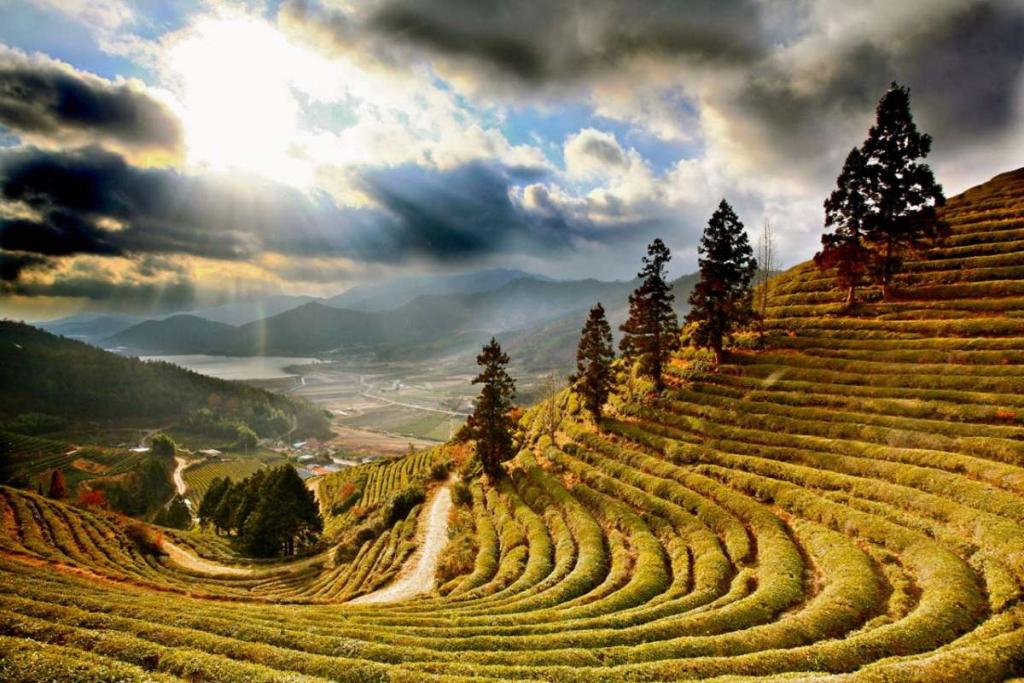
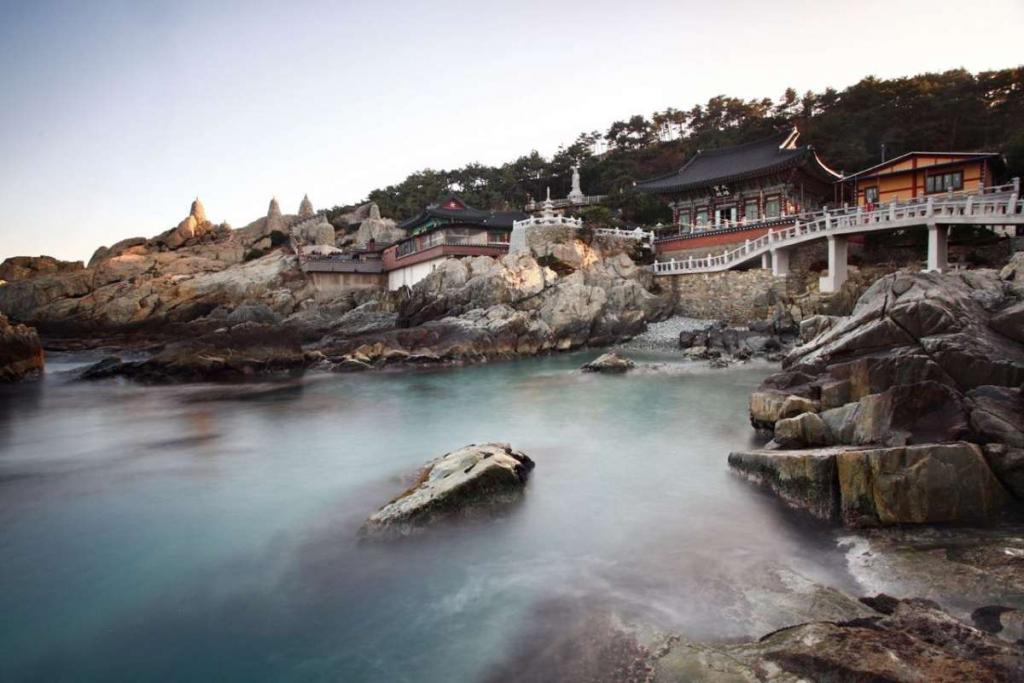
South Korea is the undiscovered gem of the far east, with food, k-culture, and mountainous scenery that you will never forget! Our trip begins in Busan, Korea’s modern port city, where we will visit Haedong Yongungsa Temple and enjoy our first taste of Korean food in the many food markets. We will then visit the ancient capital city of Gyeongju and learn about the lifestyle of monks. We will continue exploring this amazing country and end our trip in Seoul, where we visit regal palaces, take a K-pop dance class, and enjoy this amazing modern city. This program is perfect for any teen looking to gain a global perspective while discovering one of the world’s most fascinating cultures.
During this program, you will…
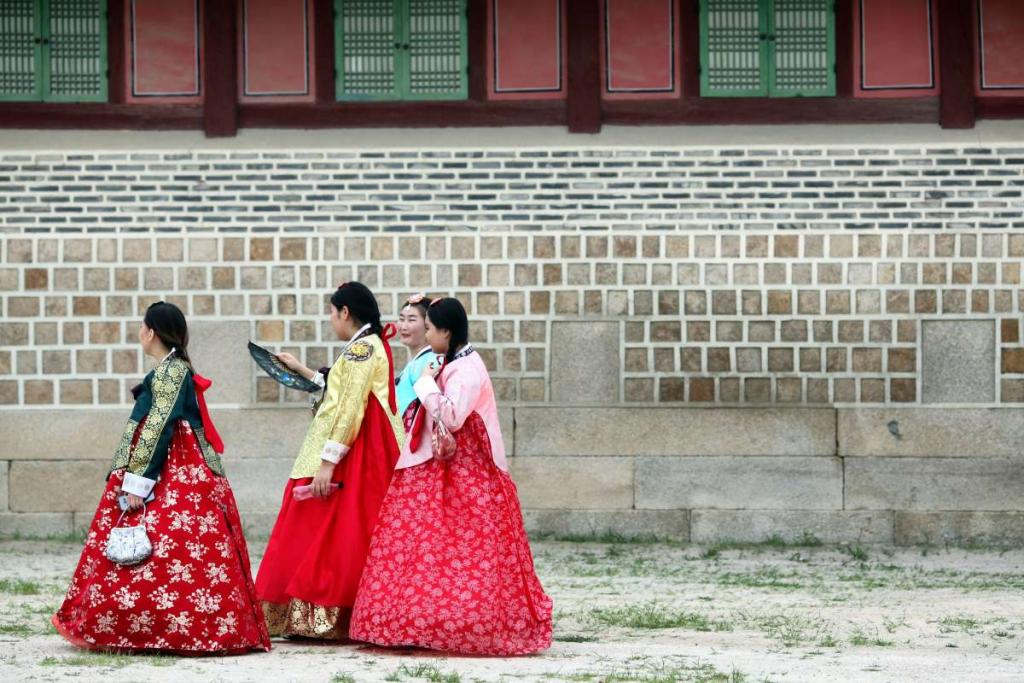
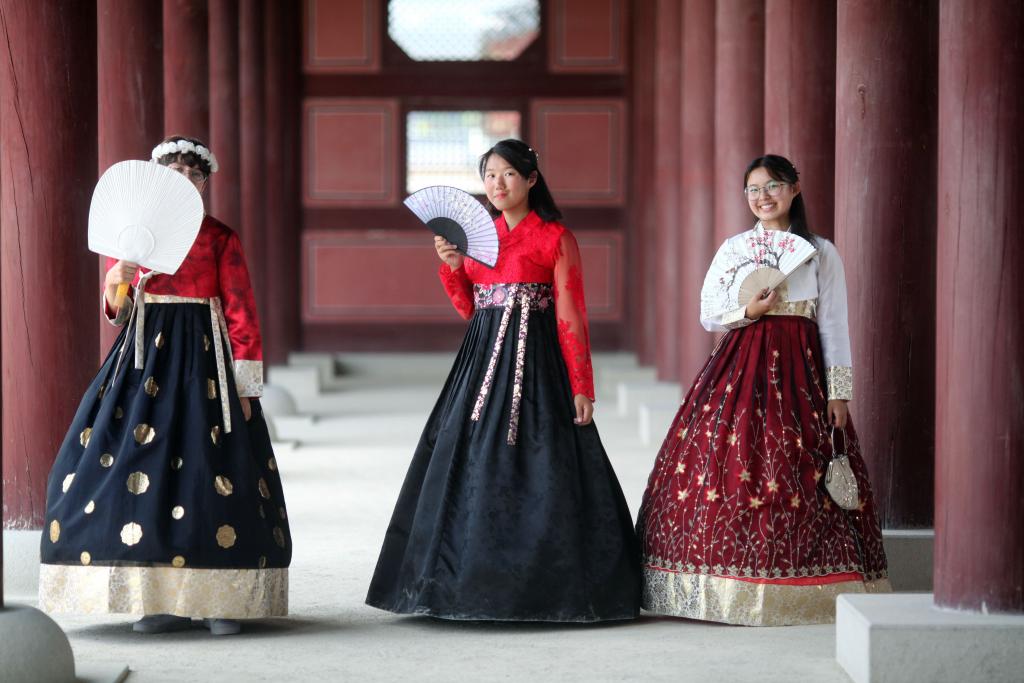
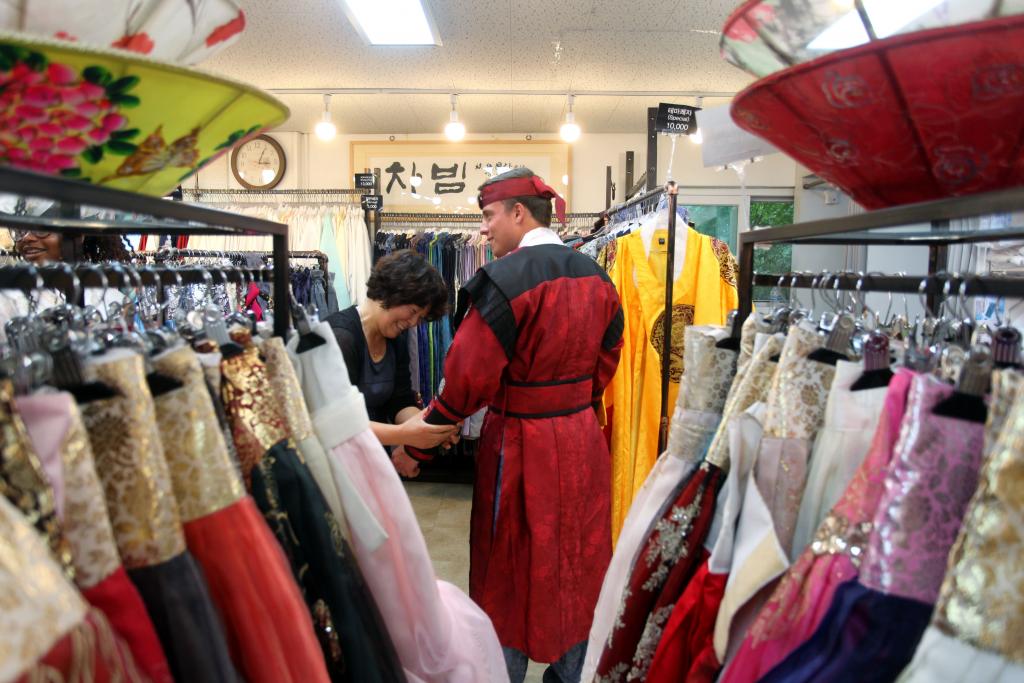
- Dress up in traditional Korean clothes (hanbok) and take photos at the palace
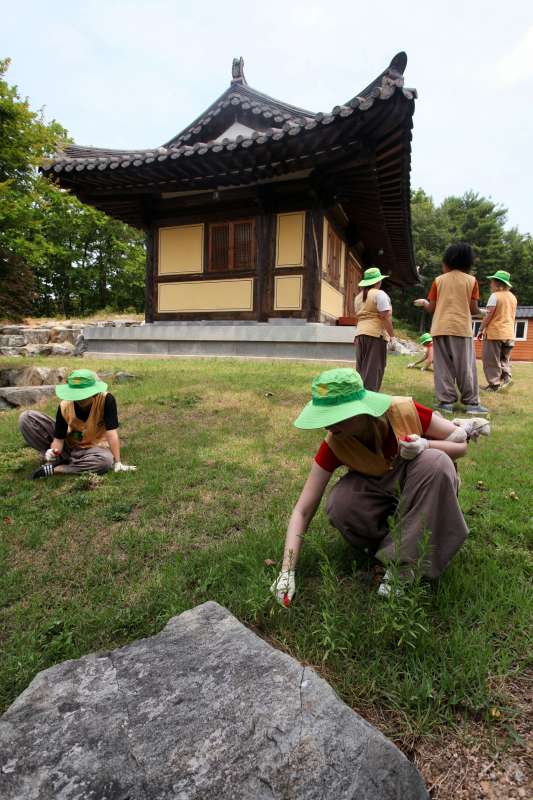
- Earn 5 hours of community service volunteering with a local organization
- Learn the history of the DMZ and see the tunnels that North Korea tried to dig under it
- See martial arts performances by Buddhist monks and the sword art of Kumdo
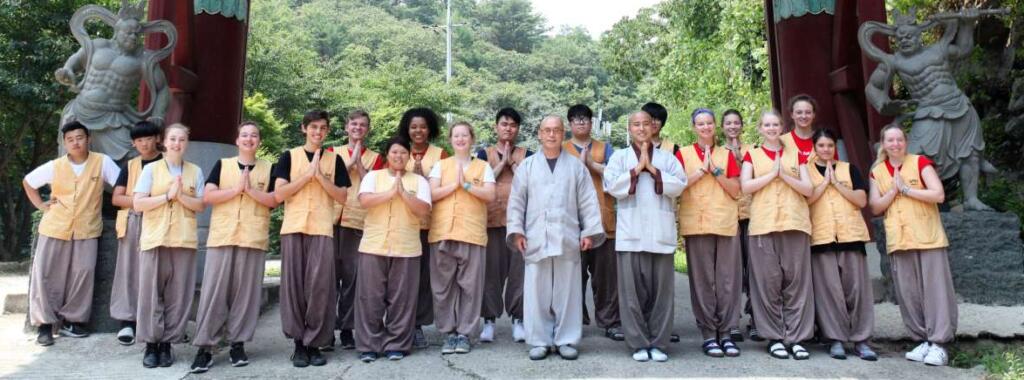
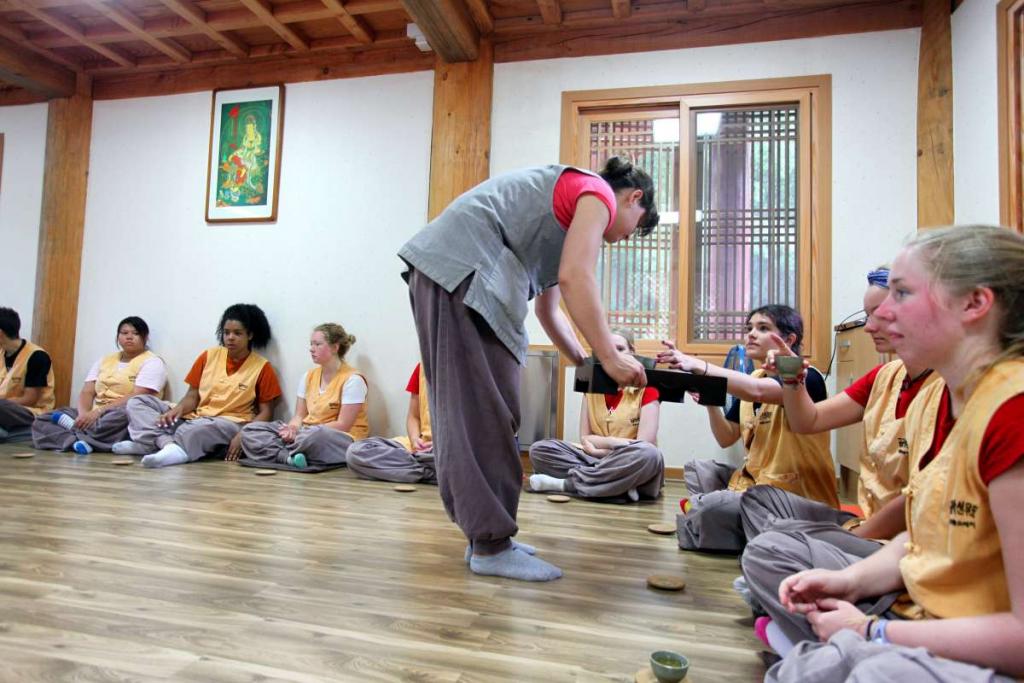
- Stay overnight at a temple and learn temple etiquette so that you can eat with the monks
- Eat your kimchi and try a range of Korean foods from beef BBQ (Bulgogi) to mixed rice and vegetables (bibimbap)
- Learn to make your own Korean cuisine at our private cooking class
- Explore temples, royal tombs, and summer gardens in the historic city of Gyeongju
- Dance Gangnam Style at our awesome K-Pop dance class!
Trip Itinerary
DAY 1: DEPART FROM LOS ANGELES (LAX)
DAY 2: CROSS THE INTERNATIONAL DATE LINE
DAYS 3-4: BUSAN
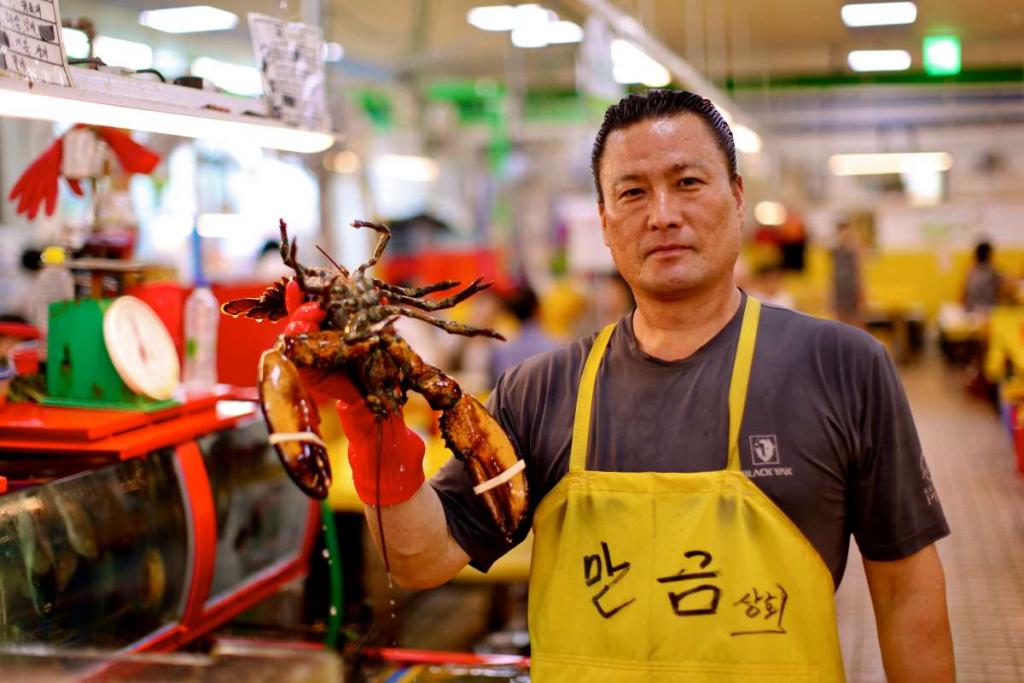
Our adventure begins in Busan, a vibrant port and home to the famous Busan International Film Festival. This is a coastal city blessed with some excellent beaches; it also has mountains, temples, and some of the tallest residential buildings in the world! You’ll discover the Gamcheon Cultural Village, which is where many South Koreans fled to during the Korean War. Then it’s back to downtown Busan to see the famous Jagalchi Fish Market…are you brave enough to try some of the seafood there? Oh, and did we mention the beach? Haeundae is the most famous beach in South Korea and possibly one of the busiest beaches in the world, attracting up to a million people on its busiest days, and you’ll get to be one of them!
DAYS 5-6: GYEONGJU
The Silla Dynasty capital of South Korea, Gyeongju is the cultural heart of the country. There are many temples, summer gardens, and royal burial tombs to explore in this laidback town. We will arrive in the morning so that we can make the most of our time by taking a walk through Tumuli Park, which has many burial mounds of kings, followed by seeing royalty’s summer playground, the Anapji Ponds. In the afternoon, we’ll leave the town and head to our mountain retreat, Golgulsa Temple, for a truly one-of-a-kind experience. At Golgulsa, you’ll learn about the Buddhist martial art of Sunmudo, which is a form of Taekwondo. Golgulsa is also where you’ll stay the night, waking up at dawn to pray with the monks and you will even have the chance to take part in a fascinating breakfast ceremony before enjoying a tea ceremony with the head monk of the temple!
DAYS 7-9: SEOUL
Now it’s time for one last party, and Seoul won’t disappoint! We’ll learn how to make kimchi and bibimbap at our very own cooking class, as well as shop in the many unique storefronts. The land of the morning calm, you say? More like the land that never sleeps! Sleep is for the plane ride home, as you’ll want to squeeze every last drop of fun out of your stay in South Korea before you say farewell!
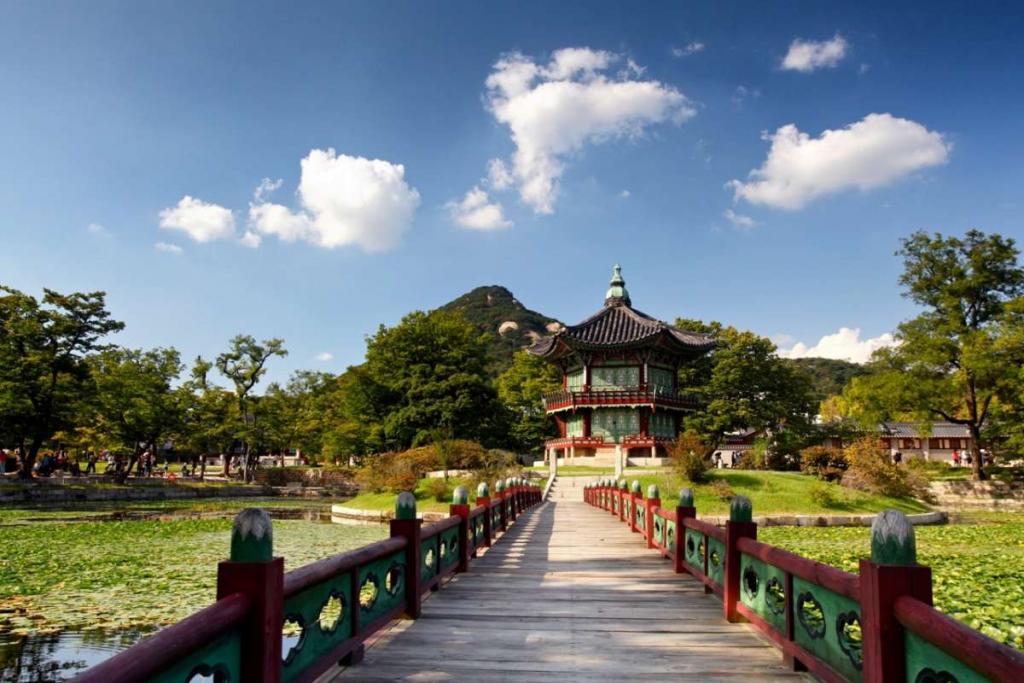
Our trip will wrap up in this world-class capital city. Most people know about Korea as a result of its noisy north, and you can even step into North Korea during a trip to the DMZ, albeit by only a few feet. In the evening, enjoy many delicious Korean foods such as Bibimbap, Mangdu, and Bulgolgi. Furthermore, take part in a cooking class and learn to cook bibimbap and deonjeong chigae, two Korea classics.Have the chance to dance Gangnam Style in a K-Pop dance class. We’ll even visit the beautiful Gyeongbokgung Palace, with its pavilion roofs, pagoda gardens, and opportunities to dress up in Hanbok to take memorable photos in front of the picturesque scenery.
DAY 10: RETURN FLIGHT TO THE USA
Photo Gallery








Check out other TFT programs similar to this one!


Authenticity is engrained in everything we do. Eat, stay, and travel like a local.
Check out what past travelers have to say about TFT and discover why we are consistently awarded “Top Youth Travel Organization” year after year.
Travel with us and discover why we are consistently winning awards for Top Youth Travel Organization.


Frequently Asked Questions
What is unique about the South Korea Discovery trip?
South Korea Discovery students love to see Asian culture and cuisine, as well as how life contrasts to their life back home. They love seeing the traditional buildings and watching the martial arts performed in this country.
South Korea Discovery students love to see Asian culture and cuisine, as well as how life contrasts to their life back home. They love seeing the traditional buildings and watching the martial arts performed in this country.
Where do we stay on the South Korea Discovery trip?
Students stay in centrally located, safe, and well-supervised accommodations in each city.
They are well suited to facilitating group supervision and usually within walking distance of the main attractions. We do not use large, impersonal chain hotels on the outskirts of cities; we prefer to select smaller, family-run hotels where we establish personal relationships with the owners.
In Seoul we’ll stay in the vibrant Insadong District, with easy access to the center of Seoul and lots of good eating options nearby. In Busan we’ll stay in the Haeundae Beach District of town, close to some of the places we visit, and with easy access to public transport to those areas farther away. In Gyeongju we’ll make a nearby temple our home for the night. In Suncheon we’ll stay near the center of town, with everything within easy walking distance from the hostel.
For safety reasons, we do not publish the names of the accommodations we use. We do not feel it is safe to publish the name of a hotel where a group of teenagers is staying abroad. After registering, participants and parents are given access to our secure parent website where you will be able to see the names of all of the accommodations for a trip.
Students stay in centrally located, safe, and well-supervised accommodations in each city.
They are well suited to facilitating group supervision and usually within walking distance of the main attractions. We do not use large, impersonal chain hotels on the outskirts of cities; we prefer to select smaller, family-run hotels where we establish personal relationships with the owners.
In Seoul we’ll stay in the vibrant Insadong District, with easy access to the center of Seoul and lots of good eating options nearby. In Busan we’ll stay in the Haeundae Beach District of town, close to some of the places we visit, and with easy access to public transport to those areas farther away. In Gyeongju we’ll make a nearby temple our home for the night. In Suncheon we’ll stay near the center of town, with everything within easy walking distance from the hostel.
For safety reasons, we do not publish the names of the accommodations we use. We do not feel it is safe to publish the name of a hotel where a group of teenagers is staying abroad. After registering, participants and parents are given access to our secure parent website where you will be able to see the names of all of the accommodations for a trip.
What is included?
Tuition cost includes: ground transportation; accommodation; chaperones and guides; program-related activities and admissions; taxes and tips; all breakfasts and dinners.
Not included in cost (this is not intended to be an exhaustive list): airfare; lunches; visas and visa application fees; personal and medical expenses; activities and admissions that are not program-related or referenced in the itinerary; beverages other than filtered water at meals; participant expenses that are outside of the program description, such as excess baggage fees and damage to hotels; expenses related to unforeseen circumstances, such as transportation strikes and natural disasters.
Tuition cost includes: ground transportation; accommodation; chaperones and guides; program-related activities and admissions; taxes and tips; all breakfasts and dinners.
Not included in cost (this is not intended to be an exhaustive list): airfare; lunches; visas and visa application fees; personal and medical expenses; activities and admissions that are not program-related or referenced in the itinerary; beverages other than filtered water at meals; participant expenses that are outside of the program description, such as excess baggage fees and damage to hotels; expenses related to unforeseen circumstances, such as transportation strikes and natural disasters.
What is the food like in South Korea?
The food on this program is authentic, delicious, and a central part of the cultural travel experience.
We prioritize eating at local, authentic establishments rather than Americanized chains, encouraging students to sample the local specialties wherever we go. We fully accommodate all dietary needs, including vegetarian, vegan, gluten allergies, and other restrictions.
In South Korea there are lots of food options for meat and seafood eaters to try, as well as for vegetarians. Korean food is famous for its pork and beef BBQs. There are many kinds of soup: the rice-based Bibimbap, different varieties of Mangdu (dumplings), Korean pancakes (Jun), Kimchi, and many more. You’ll go to the towns that are famous for particular dishes. There are also districts in the bigger cities that cater for a more international taste, so there is also the opportunity to mix it up. Last but not least, we will try some traditional Korean desserts for those of who you have a sweet tooth.
The food on this program is authentic, delicious, and a central part of the cultural travel experience.
We prioritize eating at local, authentic establishments rather than Americanized chains, encouraging students to sample the local specialties wherever we go. We fully accommodate all dietary needs, including vegetarian, vegan, gluten allergies, and other restrictions.
In South Korea there are lots of food options for meat and seafood eaters to try, as well as for vegetarians. Korean food is famous for its pork and beef BBQs. There are many kinds of soup: the rice-based Bibimbap, different varieties of Mangdu (dumplings), Korean pancakes (Jun), Kimchi, and many more. You’ll go to the towns that are famous for particular dishes. There are also districts in the bigger cities that cater for a more international taste, so there is also the opportunity to mix it up. Last but not least, we will try some traditional Korean desserts for those of who you have a sweet tooth.